
Saltzman–Leibovitz Prize
The Saltzman-Leibovitz Photography Prize was founded in 2025 by photographer and philanthropist Lisa Saltzman and acclaimed photographer Annie Leibovitz.
The winner of the first edition was 21-year-old French photographer Zélie Hallosserie. Other shortlisted photographers include Elena Kalinichenko (Ukraine), Ka’Vozia Glynn (USA), Praise Hassan (Nigeria), Toma Hurduc (Romania), and Trâm Nguyễn Quang (Netherlands), whose work was exhibited at Photo London, Somerset Hose, 15–18 May 2024.
Artists were selected by a jury including Drew Sawyer (Whitney Museum), Isolde Brielmaier (curator and scholar), Kira Pollack (freelance photo editor) and Raul Martinez (Condé Nast).
Details of the 2026 Edition will be announced soon.
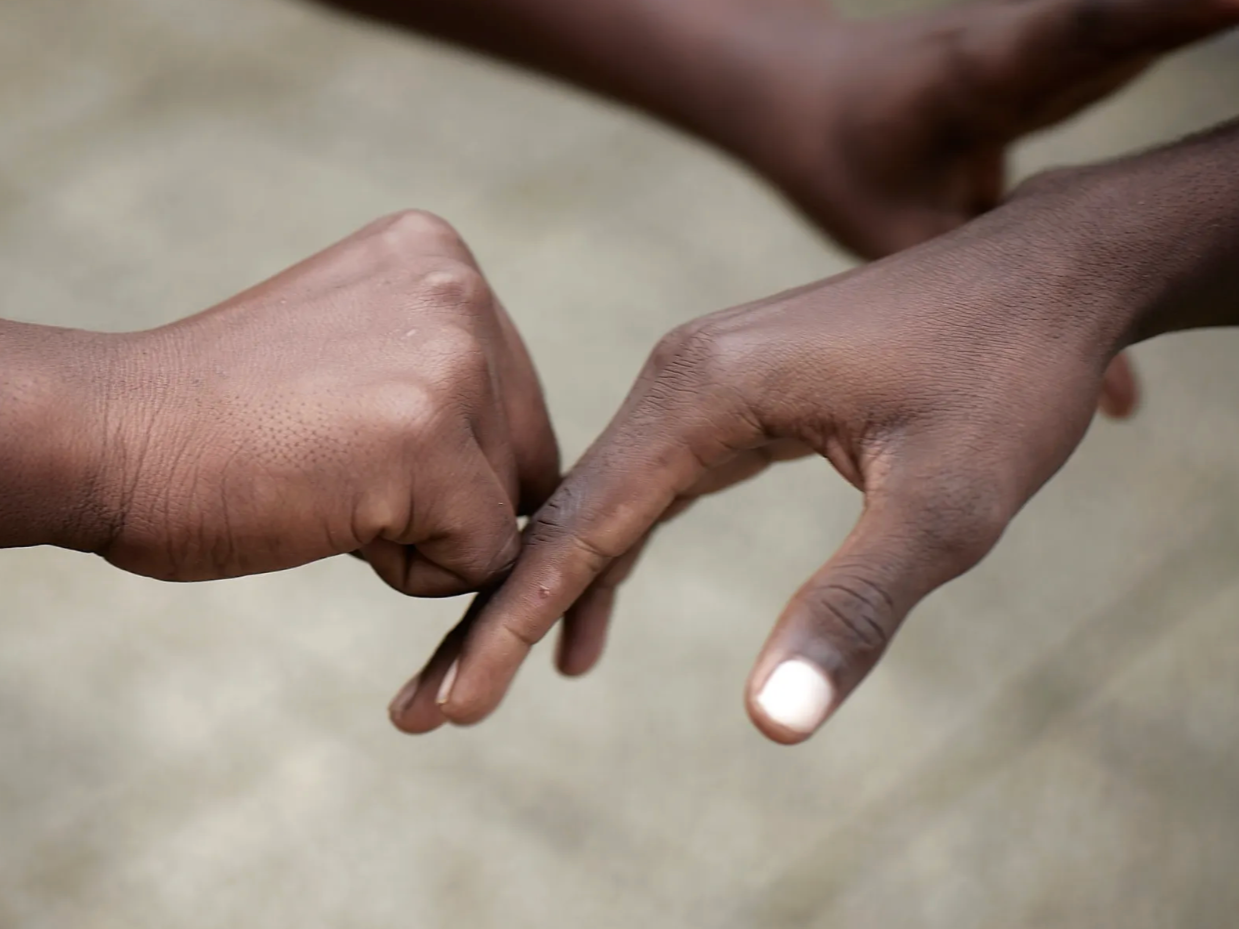
© Zélie Hallosserie, Handshake between two Soudanese friends
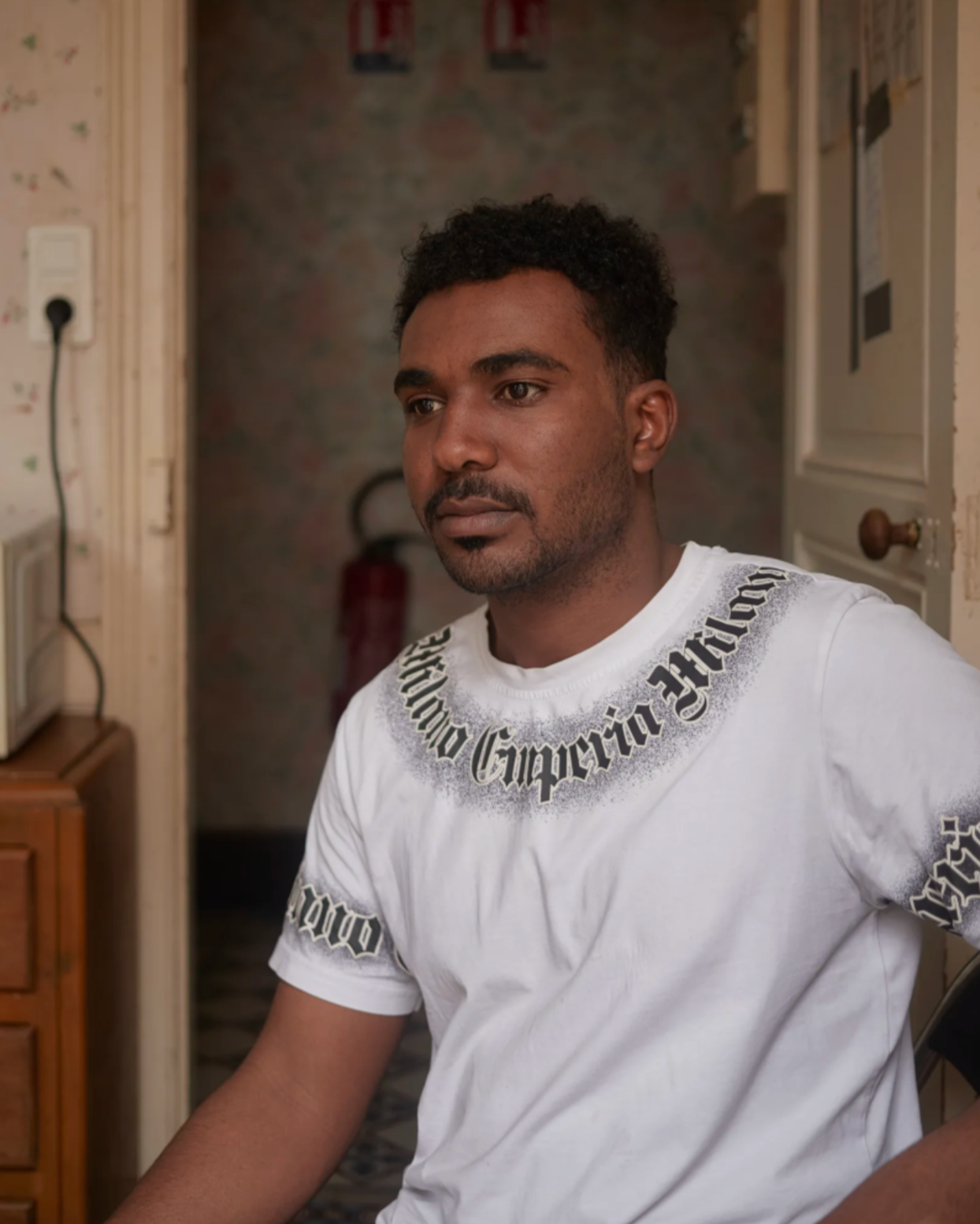
© Zélie Hallosserie, Omer in the Steenvoorde shelter
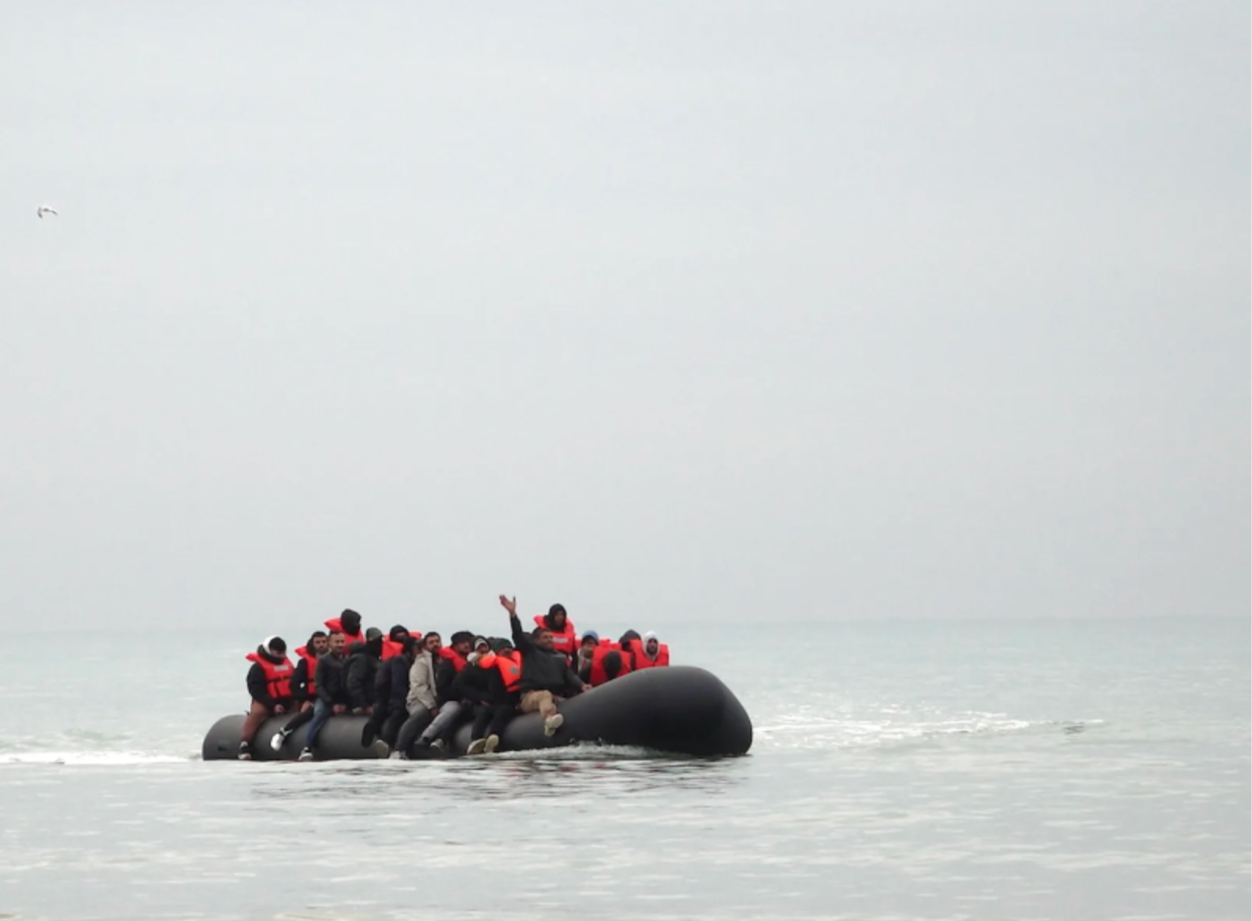
© Zélie Hallosserie, A small boat on its way to the United Kingdom
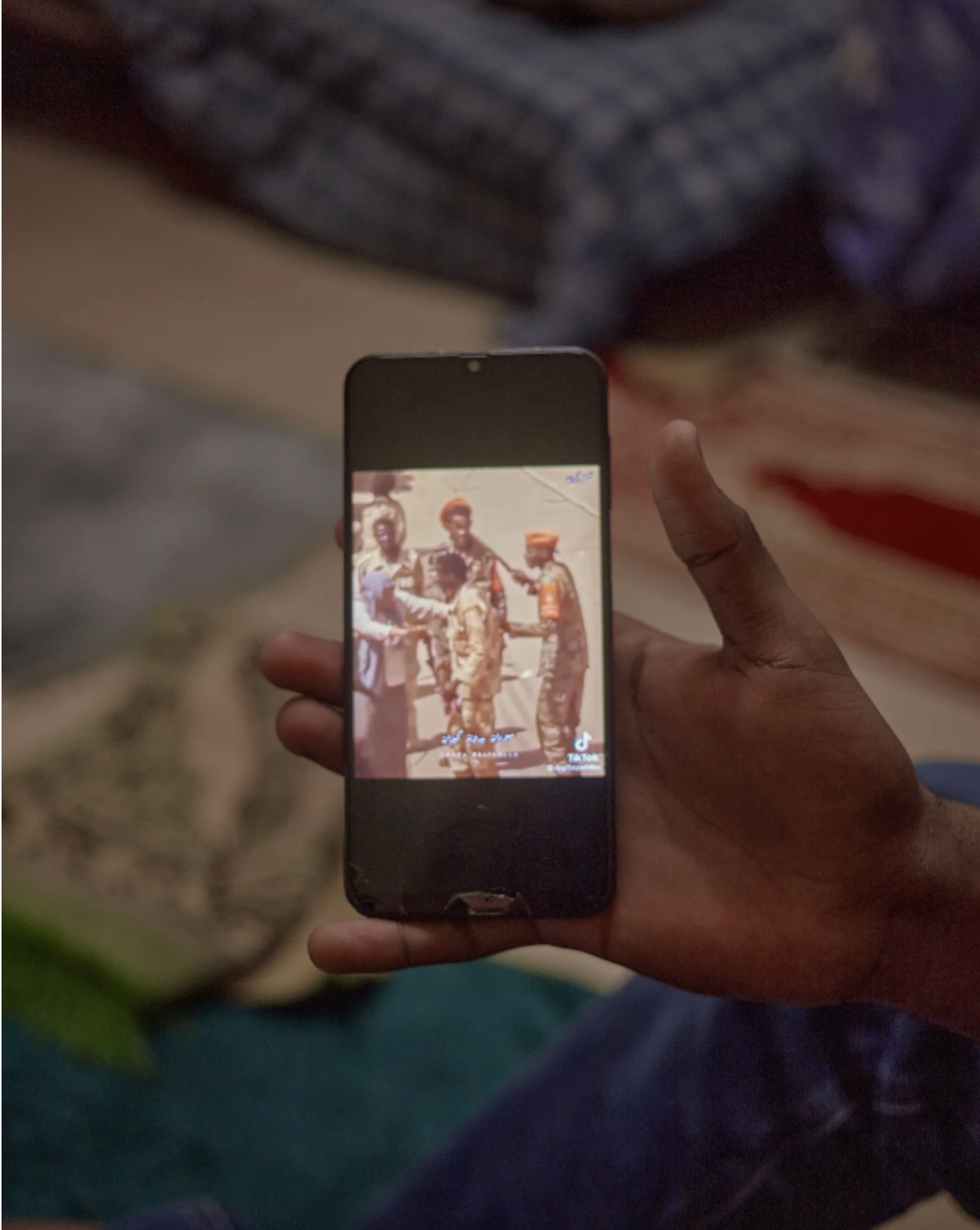
© Zélie Hallosserie, Soudan via Tiktok
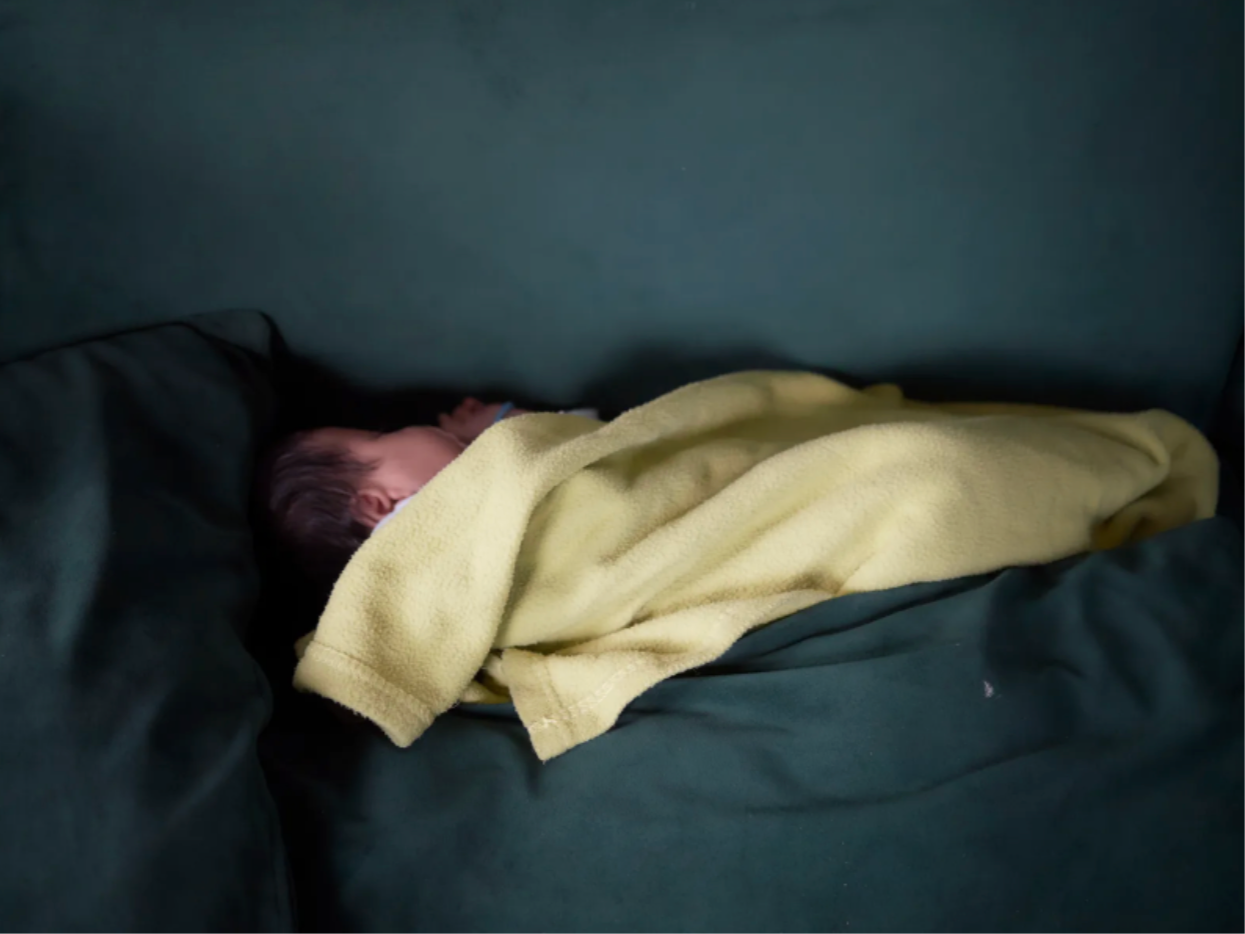
© Zélie Hallosserie, Rayan in the Sésame shelter
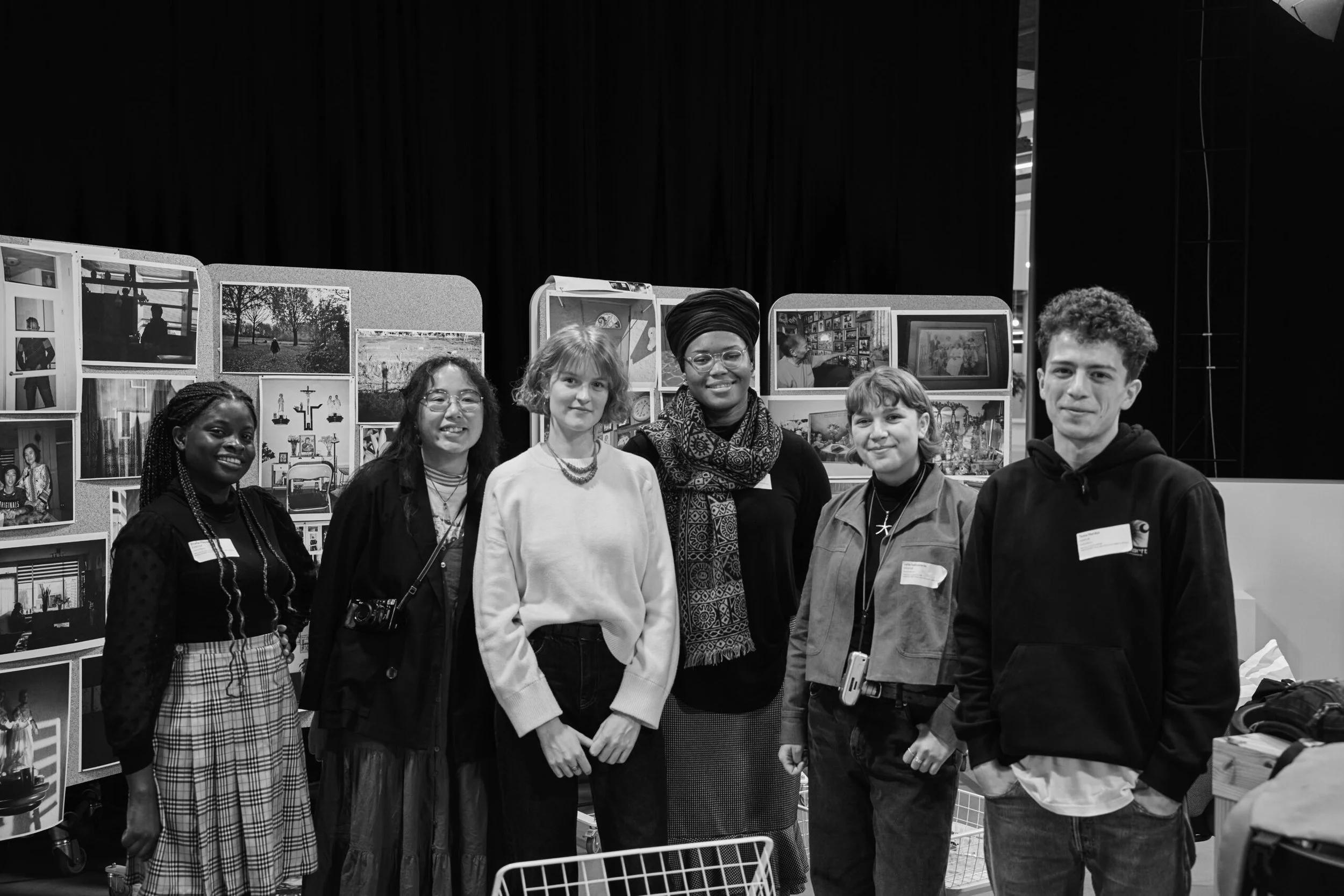
Shortlisted artists 2025 Saltzman Leibovitz Photography Prize © Hubhult
The 2025 Winner
Zélie Hallosserie
"Zélie’s work stands out for its emotional sincerity and commitment to humanizing complex social issues," says Lisa Saltzman. "She exemplifies the spirit of this prize—compassionate, courageous, and deeply engaged". Hallosserie is known for her committed documentary practice examining migration and exile in northern France. Her ongoing project, The Game, focuses on the experiences of people living in and around Calais — many from Iraq, Iran, Syria, Afghanistan, Sudan, and Eritrea — who undertake the dangerous journey across the English Channel. The crossings remain perilous, with numerous lives lost in recent years.
Since 2022, Hallosserie has worked closely with a local shelter in Calais, leading photography workshops and building sustained relationships with those directly affected. This long-term engagement informs a practice grounded in trust and collaboration. Through her work, she seeks to move beyond the reductive framings often found in mainstream media, foregrounding dignity, individuality, and the complex realities of displacement.